Heat loss and ice
Why Roof Spaces Fail in an Ontario Winter
Ice dams are usually blamed on ventilation. The research does not support that, and chasing more vents is how buildings end up with the same leak two winters running.
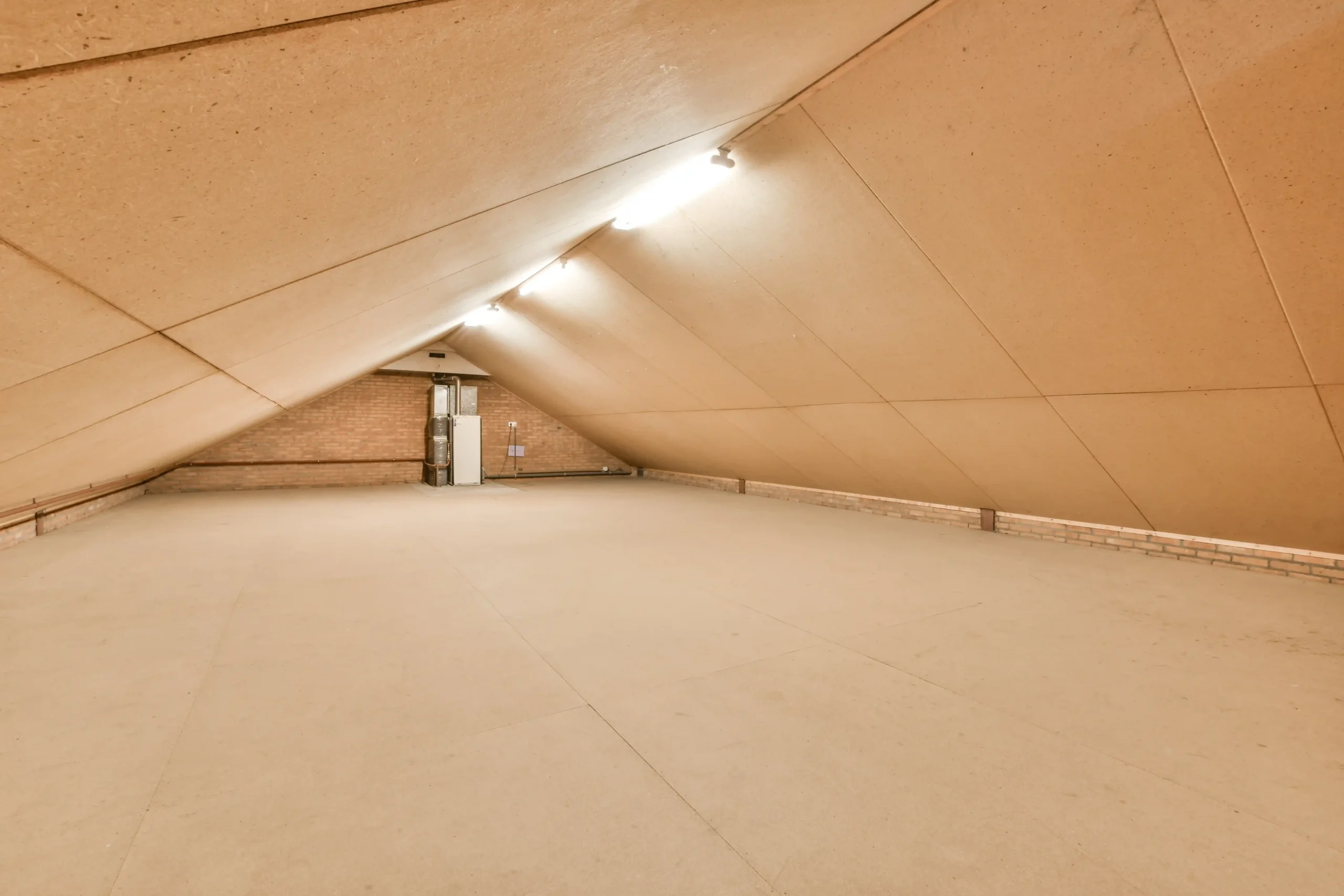
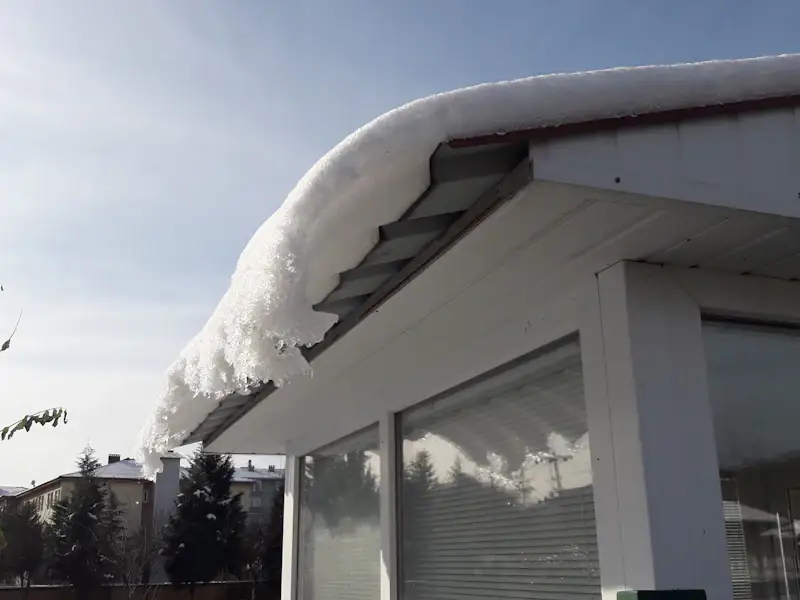
Canada Mortgage and Housing Corporation put it bluntly in its guidance on attic venting and ice dams: the usual response is to increase attic ventilation, and that is the wrong approach. Its work found that two identical attics, one unvented and one vented to code, held much the same temperature and humidity. What drives both ice damming and attic frost is air leakage. All winter, a heated building pushes warm, moist air up through the ceiling.
That air does two things you do not want. It warms the roof sheathing, which melts the snow lying on it, and the meltwater runs down to the unheated overhang and freezes where the air and the overhang are below zero. It also carries moisture into a cold space, where it condenses on the underside of the deck as frost. Natural Resources Canada gives a simple diagnostic: look during or just after a cold snap, and frost of 10 mm or more means the venting is not keeping up.
So the order of work matters. Seal the leaks, then insulate, then confirm the venting. Ventilation is required by code and it is a sensible margin of safety, but on its own it will not fix a ceiling that leaks air.